
Program and Curriculum Details
Aug 2, 3, and 4, 2026
Hands-On, Personalized Workshops with Elinor Aishah Holland and Deniz Oktem Bektas
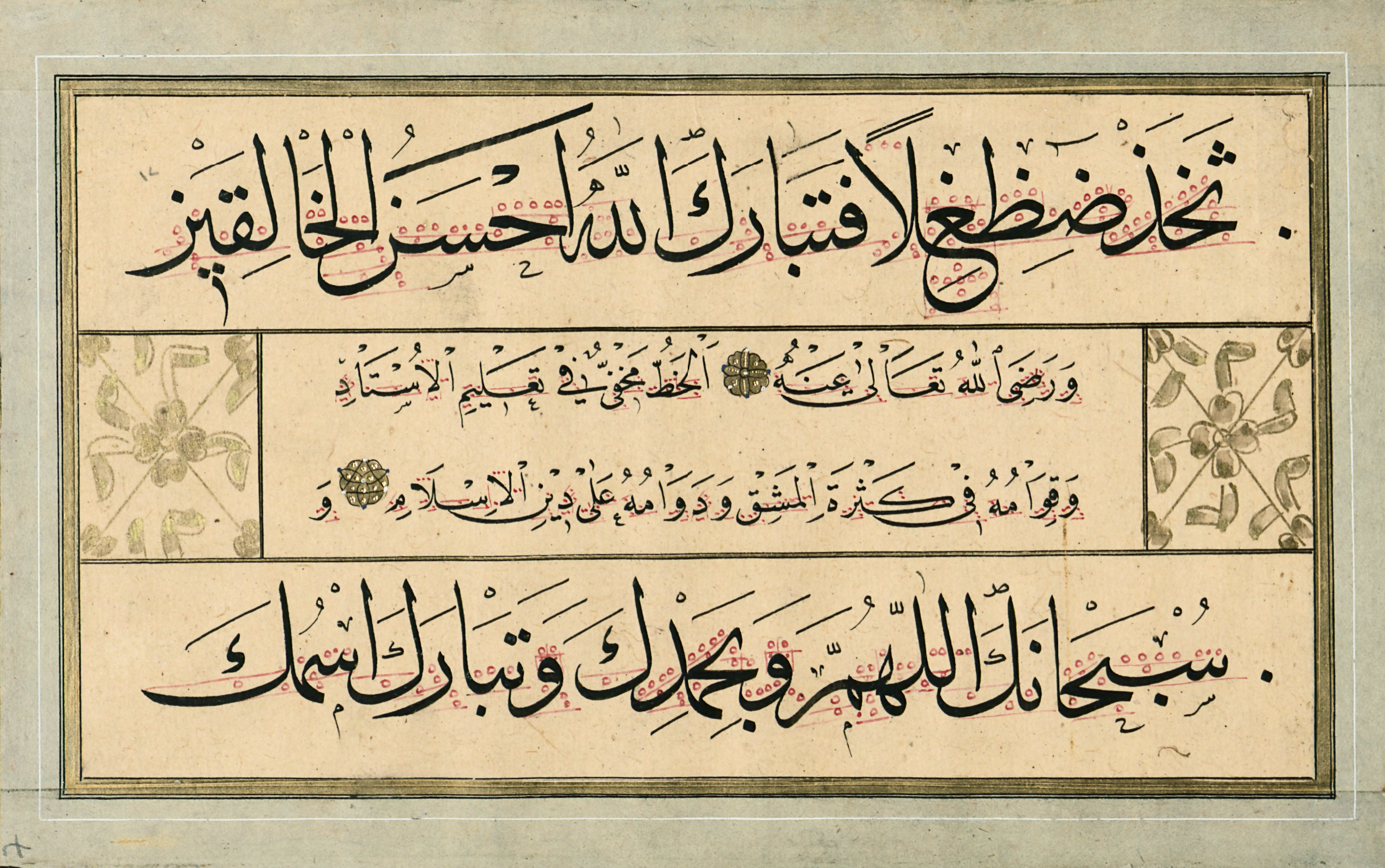
The goal of these hands-on workshops is to strengthen the participants' calligraphy practice of the Thuluth and Naskh scripts and expand their historical knowledge of Islamic Calligraphy.
During these 3 sessions, we will cover the following:
Students will have the opportunity to receive personalized instruction from each instructor. Calligraphy sessions will include a presentation by each instructor, followed by “mashq” (practice) sessions, during which students will receive personalized, one-on-one feedback on their work and participate in pen-cutting sessions.
The instructors will check assignments (chosen by participants themselves-2 lessons/session) in Thuluth and Naskh through analysis of examples by masters from the past.
The participants will develop their visual skills and learn how to “look” and “what” to search for while imitating lessons in the curriculum.
Participants can also bring their pens that they regularly use to get trimmed if adjustments are needed.
The instructors will provide detailed explanations regarding what is done wrong or what can be improved for each student individually.
Materials are NOT included in the fees. A materials list is provided on the program's main page.
Some materials from the list can be purchased in person (cash payment only). Please let us know by July 1, 2026, what you need to buy in person so that we can have it available for you on the first day of class.
Aug 2, 2026
Gold Border Design and Gilding with Dila Özşahin
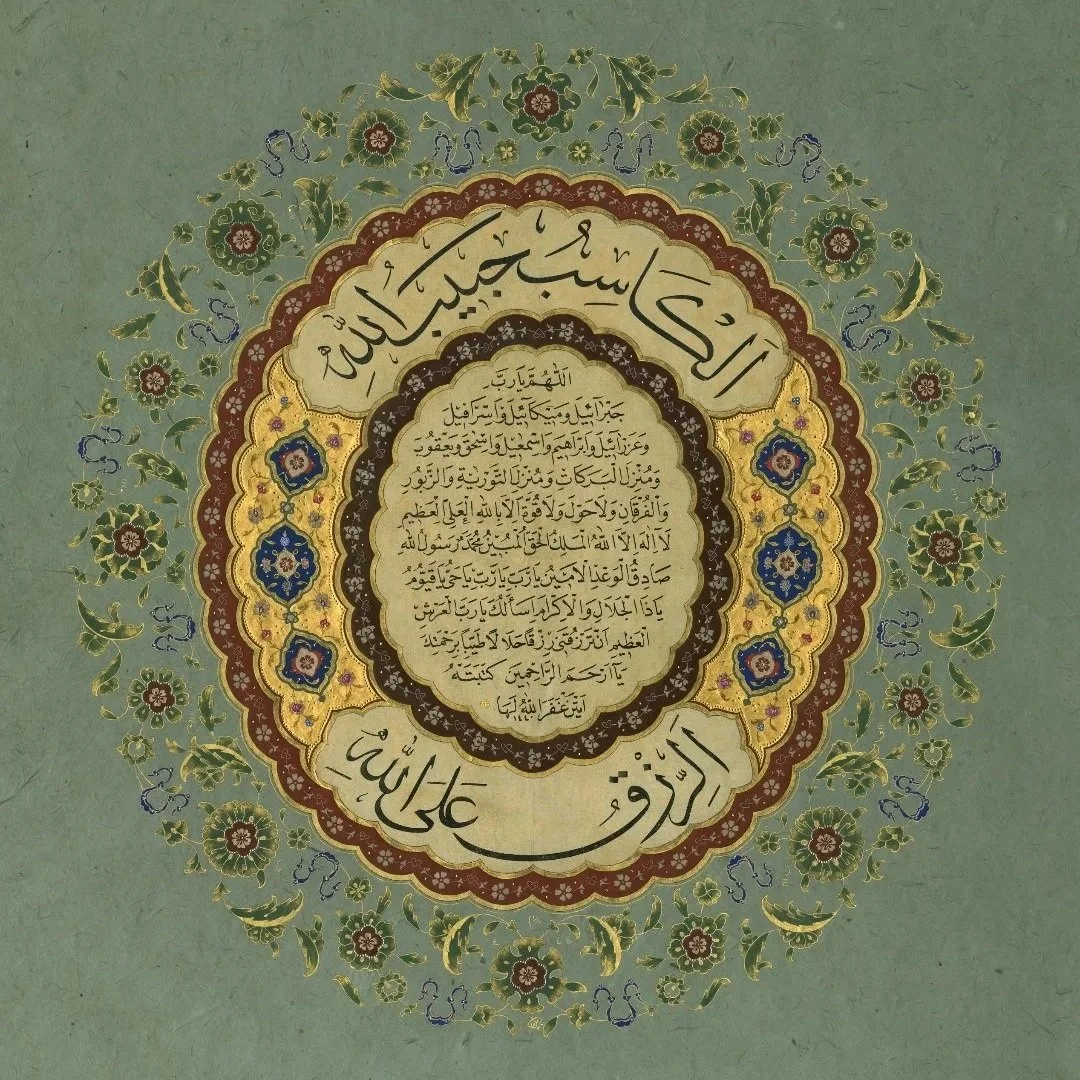
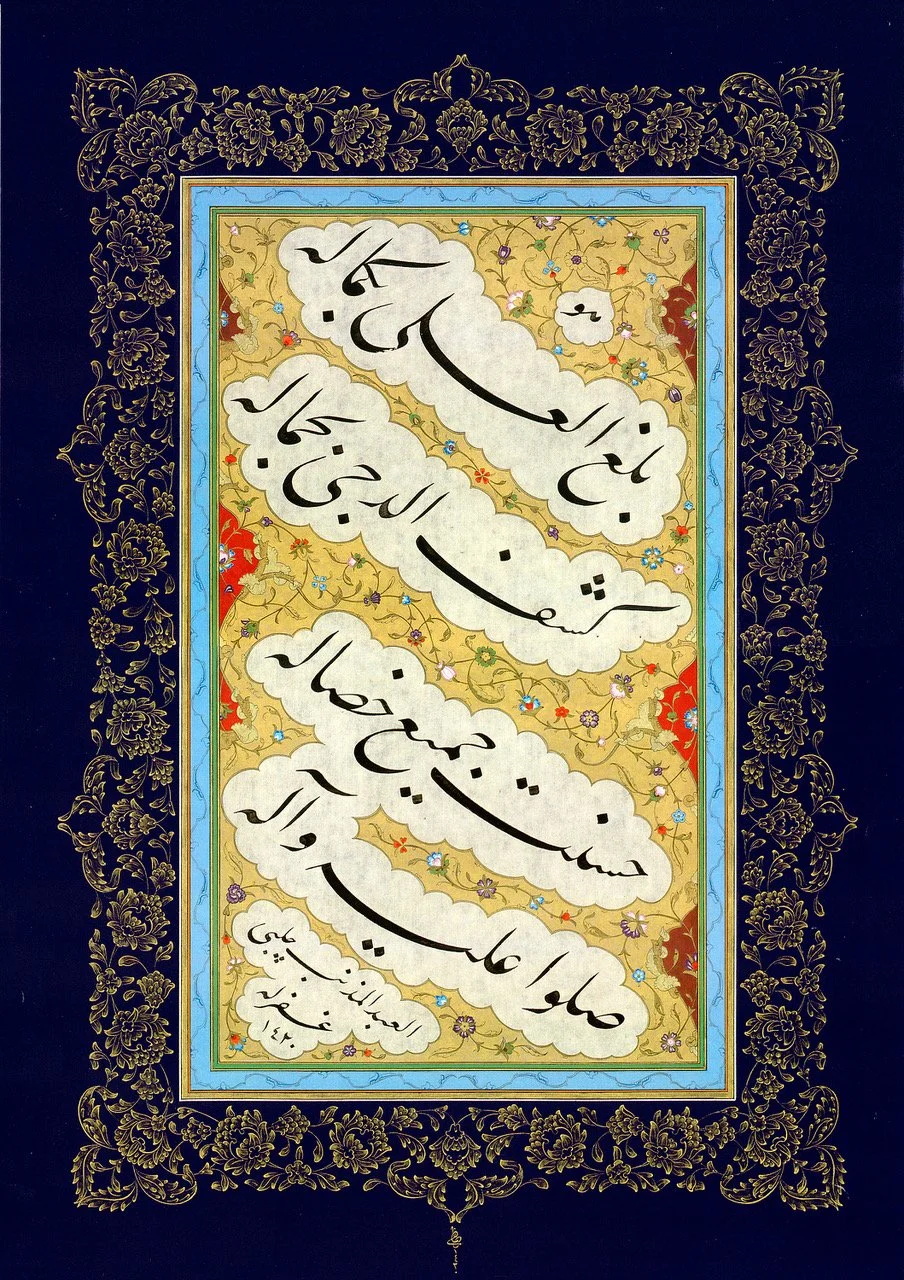
In this session, the instructor will demonstrate the essential steps and materials involved in preparing, outlining, gilding, and finishing a traditional murakka (board).
Our instructor will demonstrate the process of gilding and show how to draw a gold border and another simple border around calligraphy pieces.
*This is a demonstration session only. No materials are necessary.
Aug 3, 2026
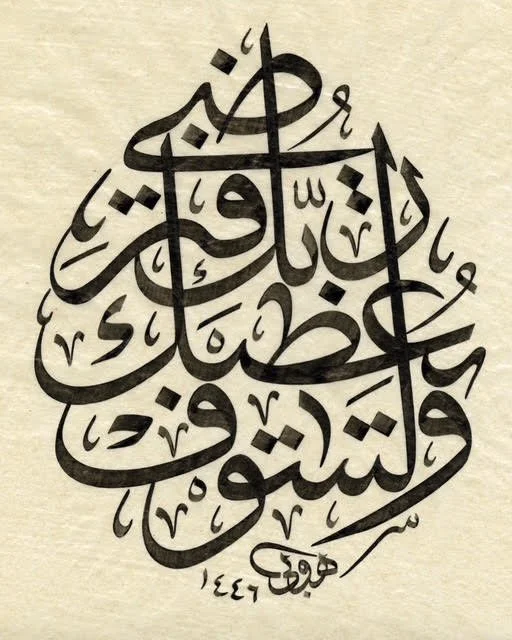
The Steps of Creating a Calligraphy Piece with Muhammad Hobe
In this session, the instructor will deliver a talk and a presentation on how to create a final calligraphy piece from start to finish, including the process of transferring calligraphy onto a final paper and the tashih process (which involves correcting and refining a piece).
*This is a demonstration session only. No materials are necessary.
Aug 4, 3026
Murakka Preparation with Mustafa Çelebi
In this session, the instructor will demonstrate how to prepare a murakka, which involves gluing multiple layers of paper together using a special glue made with starch and water.
He will then demonstrate how to mount a calligraphy piece onto the prepared murakka.
*This is a demonstration session only. No materials are necessary. Time permitting, participants will get the opportunity to try the process of preparing murakka
Aug 5, 2026
Accordion Book CREATION with Osman Doruk

In this session, participants will undertake the process of making a Murakka accordion book, a traditional Islamic bookbinding form often used to display calligraphy, miniature paintings, or devotional texts. Murakka, a solid board made through classical practices, will be used to give structure to a continuous strip of paper or parchment, folding back and forth in a zigzag manner.
This structure allows for intimate, sequential viewing. Originating in the Persian and Ottoman Empires, the form was most commonly used by calligraphy students who often wrote on loose meşk papers and needed an aesthetic way to compile their work in a portable album.
Traditionally, a series of kit’as (a small rectangular calligraphic work generally using two scripts) is pasted on boards, and the pairs are joined together to create an accordion-style album. While it is commonly used for calligraphy, it can also be used for miniatures and illuminated manuscripts.
All materials will be provided